
"Central American countries"
2000 article(s) found

Introduction to the baking degree of high-quality coffee beans in El Salvador coffee producing areas
The Salvadoran flag was launched in 1822, rescinded in 1865 and restored in 1912. The Constitution of the year of the Salvadoran Flag in 1972 was officially established as the national flag. The national flag is rectangular, with a ratio of length to width of 335 to 189. From top to bottom, the flag is connected by three parallel equal horizontal rectangles of blue, white and blue, and the central part of the white part is painted with the national emblem. Because El Salvador used to be

Introduction of coffee flavor and taste characteristics of Mercedes Manor in El Salvador with excellent balance
El Salvador's domestic topography is mainly mountainous, plateau, volcanic, known as the country of volcanoes, Santa Ana active volcano 2385 meters above sea level, the highest peak in the country; the northern part of the country is the Lompa Valley and the southern part is the narrow coastal plain. Climatic characteristics all over El Salvador has a tropical climate, with an annual average temperature of 28 ℃; dry season from November to April and rainy season from May to October; coastal and lowland atmosphere

Single coffee Guatemala Vivetna fruit imported raw beans Central American SHB very hard beans boutique coffee beans
Coffee Bean details: country: Guatemala Grade: SHB production area: Vivette Nan Fruit Baking degree: medium-depth Baking method: washing Variety: Kaddura, Kaduai, bourbon soil: volcanic soil Flavor: nuts, Dark Chocolate, cut Tobacco Guatemala is famous for its highland topography, its unique flavor of high-altitude extremely hard beans is extremely good in all-inclusive coffee producing areas.
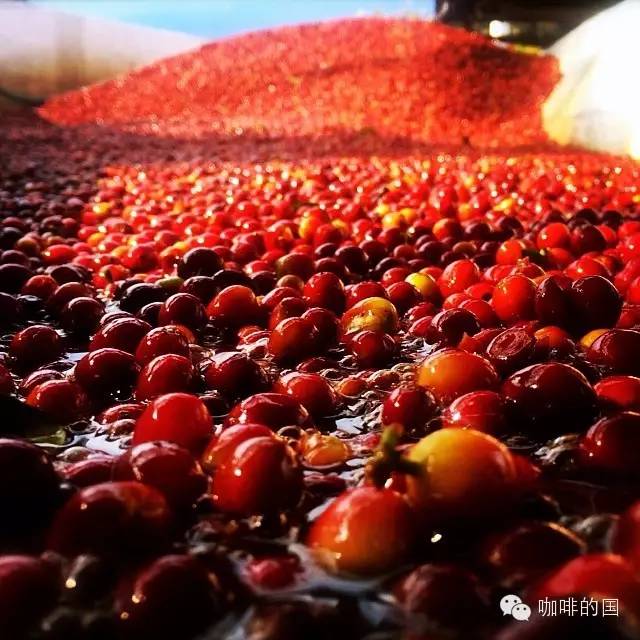
American Coffee from Costa Rica Starica Coffee Variety Fire Phoenix Manor Red Honey
Arrazu, from Costa Rica, is one of the major coffee producing areas in the world. The coffee produced by Tarasu has a light and pure flavor and pleasant aroma. Costa Rica, with its fertile volcanic soil and good drainage, is the first country in Central America to grow coffee and bananas for commercial value. Coffee and bananas are the country's main exports. Costa Rica with extra hard beans and high quality

Fragrant, pure, slightly sour Salvadoran coffee manor flavor and taste characteristics of boutique coffee
El Salvador's domestic topography is mainly mountainous, plateau, volcanic, known as the country of volcanoes, Santa Ana active volcano 2385 meters above sea level, the highest peak in the country; the northern part of the country is the Lompa Valley and the southern part is the narrow coastal plain. Climatic characteristics all over El Salvador has a tropical climate, with an annual average temperature of 28 ℃; dry season from November to April and rainy season from May to October; coastal and lowland atmosphere

Do American coffee beans taste good?
American coffee occupies a large position in the coffee industry, such as Panama, Colombia and Guatemala are all rich in high-quality coffee in the Americas, not to mention that coffee has become more and more high-quality in the past decade, and consumers have higher and higher requirements for the quality of coffee. Several countries in the Americas that are rich in high-quality coffee are places where everyone is haunted. The names of Panama and Rosa shocked the whole spirit.
Salvadoran coffee delicious Central and South American coffee beans
Salvadoran coffee editing flavor: balanced taste, excellent texture suggested baking method: medium to deep, there are many uses of quality beans: El SHB taste characteristics: sour, bitter, sweet mild moderate. Salvadoran coffee ranks side by side with Mexico and Guatemala as the producers of Asa and Merdo, and is fighting for the top one or two places in China and the United States with other countries. Place of Origin

What coffee brands in the American coffee country Puerto Rico grow coffee?
Professional coffee knowledge exchange more coffee bean information please pay attention to the coffee workshop (Wechat official account cafe_style) Puerto Rico Yaoke and Jamaica are the Greater Antilles, located in the Central American Atlantic Ocean, is a well-known island bean-rich country. This batch comes from the Central Mountains of Puerto Rico, with an average elevation of 914 meters. Puerto Rican coffee has a history of more than two hundred years. In 1736
Introduction of boutique coffee beans in coffee flavor and taste areas of Chateau Saint Roman, Costa Rica
1502 C. Columbus discovered the coast of Costa Rica on his fourth voyage. Since then, the Spanish colonists have invaded many times. The city of Catago was founded in 1563 and Costa Rica was colonized by Spain and placed under the jurisdiction of the Governor's Office of Guatemala. During the colonial period, under the cruel enslavement and oppression of the Spanish colonists, the Indians were almost wiped out and there was little labor available for enslavement.

Characteristics of Central American producing areas | famous boutique coffee producing area of Tarazu Coffee, Costa Rica
Professional coffee knowledge exchange more coffee bean information please follow the coffee workshop (Wechat official account cafe_style) front street-Costa Rica Tarazu introduction Costa Rica is located in the low latitudes of Central America, the central plateau and mountains about 800 to 2000 meters above sea level. The climate here has two obvious dry and wet seasons. The harvest period is from November to March of the following year, which coincides with the dry season.

A comprehensive introduction of Brazilian coffee beans Central American region
Brazils to distinguish it from Milds coffee. The vast majority of Brazilian coffee is unwashed and sun-dried and is classified according to the name of the state of origin and port of transport. Brazil has 21 states and 17 states produce coffee, but four of them produce the largest, accounting for 98% of Brazil's total output. They are: Parana, SaoPaulo and Milas.
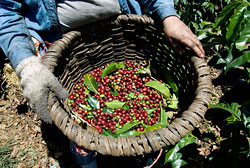
World Coffee producing areas: characteristics and stories of American Coffee beans in Global Coffee producing areas
There are more than 60 coffee producing countries and regions in the world, most of which are located in the tropics and subtropics covered by the Tropic of Cancer, and the equator passes through this area. this coffee cultivation area is also known as coffee belt or coffee area. Today I would like to introduce to you the situation of its coffee producing areas in Central America. First, Costa Rican coffee has full particles, ideal acidity and unique strong flavor. The Tower of Costa Rica

Introduction to the flavor and taste of Nicaraguan lemon manor coffee producing area
Since July 1927, Augusto. Cesar. Sandino led the people in a guerrilla war against the US occupation, forcing the US military to withdraw in 1933. On February 21, 1934, the Commander of the Nicaraguan National Guard, Anastacio. Somocha. Garcia assassinated Sandino at the behest of US President Roosevelt. He became president in 1936 and has been pro-American for more than 40 years since then.
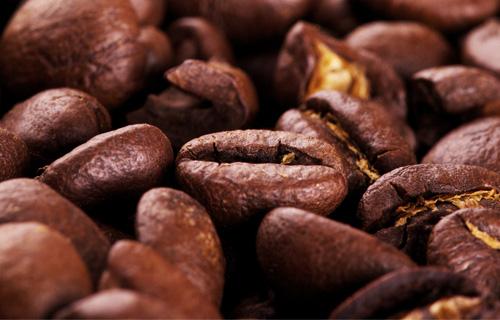
Introduction of Latin American coffee varieties and characteristics of Latin American coffee
Following Cafe (official Wechat account vdailycom) found that Beautiful Cafe opened a small shop of its own. The unique rainforest environment in some parts of Bolivia provides excellent natural conditions for the growth of organic coffee. The aroma of Bolivian coffee is rich and unique, whether it is the aroma of ground beans or the aroma of coffee, which is similar to that of flowers and flowers.

Popular science | introduce you to coffee from Central American countries (part I)
There are so many varieties of boutique coffee in the producing area. Are you worried about going to the coffee shop and not knowing how to do it? Never mind! Today, the editor will first lead you to the coffee-producing areas of Central America to take you to find your favorite coffee. El Salvador's active volcanic activity brings mineral-rich volcanic ash to El Salvador. The soil, which is mainly composed of volcanic ash, has more minerals and less organic matter, so

Fragrant and delicious Central American Nicaraguan Coffee Matagalpa introduces the Lemon Tree Manor
When tasting Nicaraguan coffee, it is best to drink cold water first, so that you can better feel its mellow taste. Drink coffee while it is hot, because the tannins in Nicaraguan coffee are easy to change during cooling, and the taste becomes sour, which will affect the flavor of the coffee. You can add the right amount of sugar, and then add cream. Enjoy a cup of high quality Niga

Costa Rican Goddess Manor Coffee Flavor taste characteristics introduction of boutique coffee producing areas
1502 C. Columbus discovered the coast of Costa Rica on his fourth voyage. Since then, the Spanish colonists have invaded many times. The city of Catago was founded in 1563 and Costa Rica was colonized by Spain and placed under the jurisdiction of the Governor's Office of Guatemala. During the colonial period, under the cruel enslavement and oppression of the Spanish colonists, the Indians were almost wiped out and there was little labor available for enslavement.

More intense flavor of Costa Rica San Roman coffee estate production area Flavor taste characteristics Introduction
It was originally inhabited by Indians. 1502 C. Columbus discovered the Costa Rican coast on his fourth voyage. Since then, Spanish settlers have invaded many times. Cartago City was built in 1563, Costa Rica became a Spanish colony and was placed under the jurisdiction of the Governor General of Guatemala. During colonial rule, Indians were almost wiped out under the cruel enslavement and oppression of Spanish colonists.

What is the standard of coffee grading in Central and South America? does altitude determine the level of coffee?
It is understood that the more common classification of coffee beans is generally based on the size of coffee beans, according to the size of the sieve, and also according to the defect rate. of course, the difference in this classification also goes deep into every country and region, and they cannot be done step by step. after all, there is a big difference. Most of the Central and South American countries are in Central and South America, and most countries are classified as one.

History of Coffee Central American Coffee producing countries
Coffee ingredient Editor caffeine: has a particularly strong bitter taste and stimulates the central nervous system, heart and respiratory system. Appropriate amount of caffeine can also reduce muscle fatigue and promote digestive juice secretion. Because it promotes kidney function, it is diuretic and helps the body to expel excess sodium ions from the body. But eating too much can lead to caffeine poisoning. Tannic acid: boiled tannic acid will